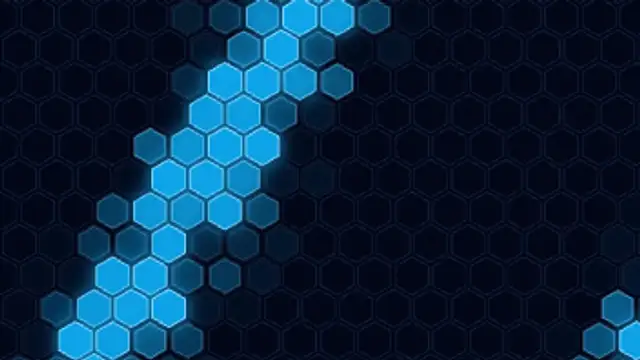
A honeycomb grid glows as waves of light sweep across its cells, a sleek looping backdrop for tech, gaming and esports content.
Honeycomb Ripple
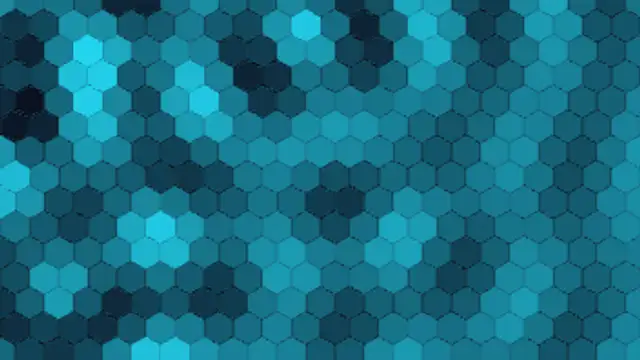
Four seeded sources send rings out across a hex grid, and where the rings meet the cells brighten and swell against the interference they make together.
Send rings across a hexagon grid from several seeded sources so cells light up where the waves meet. Edit hex size, wavelength and glow.
Part of Tessellation Backgrounds. New to this kind of graphic? Read How to Make a Seamless Tile Pattern Background Video.
Transparent exports and editor imports are explained in the transparent video guide, and every download is free under the commercial license.
Style: background, primary, secondary, accent and thickness. Layout: aspect ratio and count. Motion: duration, density, variation and speed.
Honeycomb Ripple runs 10 seconds by default, and you can set any length up to 60 seconds before you export. It loops seamlessly.
Honeycomb Ripple fits cybersecurity explainers, network coverage ads, esports overlays and science pieces about wave interference. Cells brighten where rings meet, which looks like signals overlapping, so it supports talk of connectivity or detection without a literal map.
A honeycomb grid glows as waves of light sweep across its cells, a sleek looping backdrop for tech, gaming and esports content.
Honeycomb cells bloom outward from the center to seal the frame, then shrink away in the same wave.
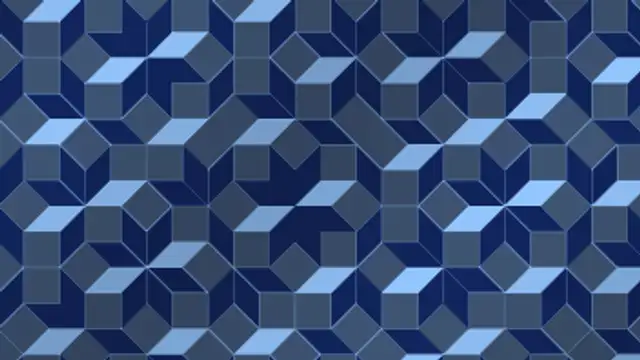
Four line grids at even angles are cut into squares and thin rhombs, giving an eight-fold tiling that never repeats however far it runs.
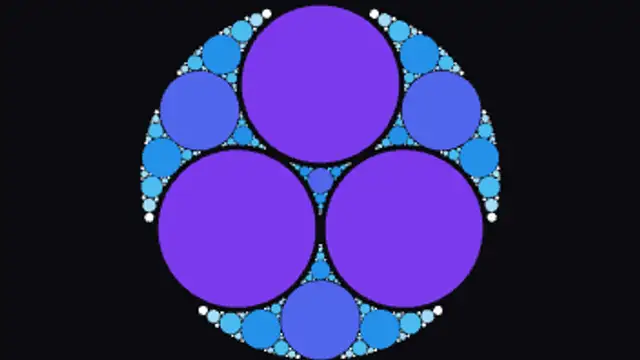
Every gap between three touching circles is filled by the one circle that touches all three, over and over, until the whole disc is packed to the grain.
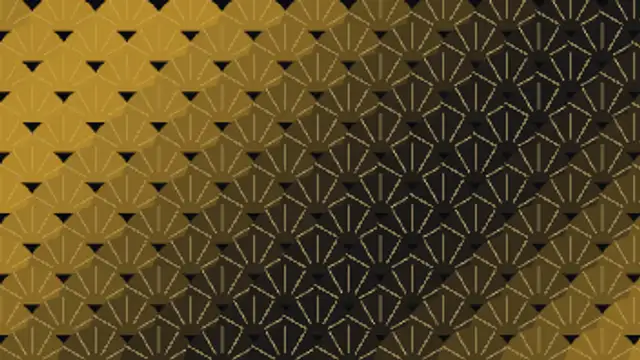
Overlapping shell fans lie in offset courses with rays struck across each one, and a diagonal wave lifts them course by course like a gilded ceiling.
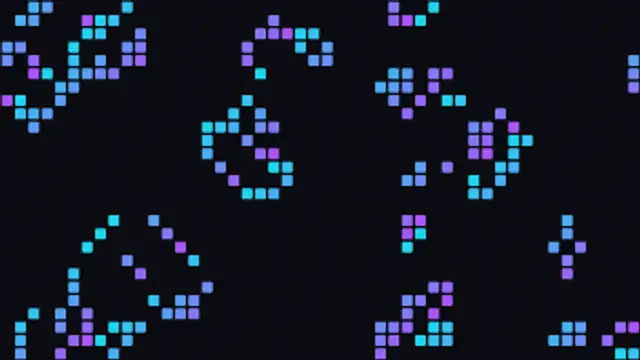
A seeded board runs the neighbour rules forward generation by generation, then plays the whole run backwards so the loop closes exactly.
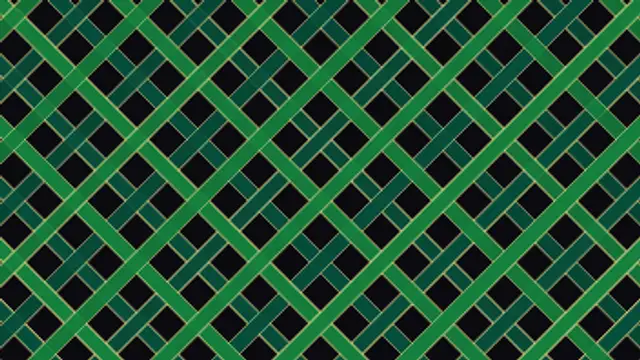
Two families of cord cross the frame on the diagonal, alternating course by course so one set rides over the other the way knotwork is drawn.
Rings spread from the middle of a checkerboard and every square they reach turns edge-on and comes back the other colour, like a wall of flip-dots.