
Circles drop in at every size that will still fit without touching, filling the frame, then each one pulses gently against its neighbours.
Cell Automata
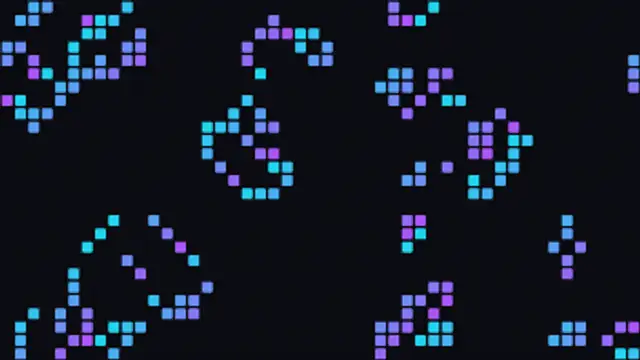
A seeded board runs the neighbour rules forward generation by generation, then plays the whole run backwards so the loop closes exactly.
Part of Tessellation Backgrounds. New to this kind of graphic? Read How to Make a Seamless Tile Pattern Background Video.
A seeded board runs the neighbour rules forward generation by generation, then plays the whole run backwards so the loop closes exactly. It belongs to the Tessellation Backgrounds category on velements, where you edit it in the browser and download it as a finished video file.
Every control in the editor, grouped the same way there. Style: background, primary, secondary and accent. Layout: aspect ratio, count and corner radius. Motion: duration, density, variation and speed. Each change appears in the live preview straight away, and editing is free.
Cell Automata runs 15 seconds by default, and you can set any length up to 60 seconds before you export. It loops seamlessly, so you can repeat it on your timeline for as long as the shot needs.
Yes. Set the background to Transparent, then export a PNG sequence for Premiere Pro, After Effects, DaVinci Resolve, Final Cut Pro or Figma: import the first frame as an image sequence and it drops onto a track above your footage with a straight alpha channel. Export WebM with a VP9 alpha channel for the web and for CapCut. MP4 has no alpha channel, so it keeps a solid color or image behind the animation.
Yes. Each download comes with a perpetual commercial license in your name for client work, ads and products, and you may sell the edited clip on stock footage sites. Reselling the preset itself as an editable template is not allowed.
Circles drop in at every size that will still fit without touching, filling the frame, then each one pulses gently against its neighbours.
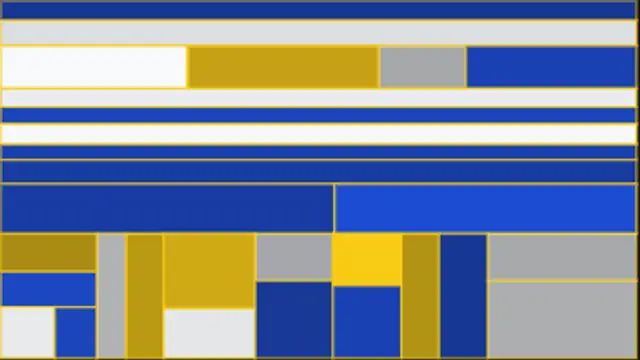
The frame halves itself again and again into unequal rectangles, then every panel breathes at its own rate against the grid it belongs to.
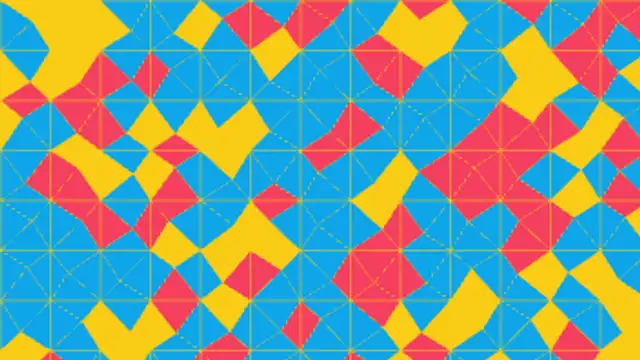
Every square is quartered into four coloured wedges and no tile may sit beside one whose edge colour differs, so the whole field agrees while its hubs drift.
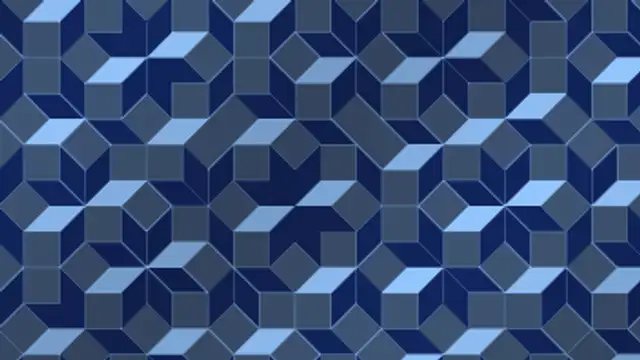
Four line grids at even angles are cut into squares and thin rhombs, giving an eight-fold tiling that never repeats however far it runs.
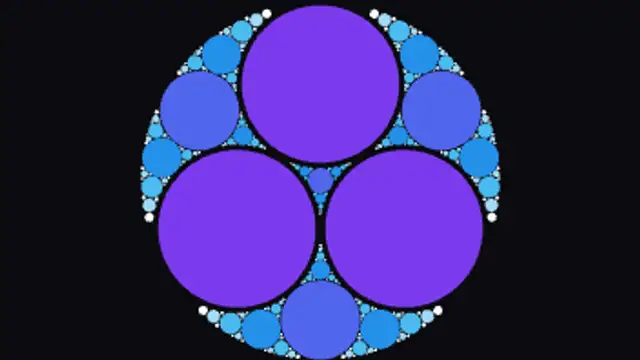
Every gap between three touching circles is filled by the one circle that touches all three, over and over, until the whole disc is packed to the grain.
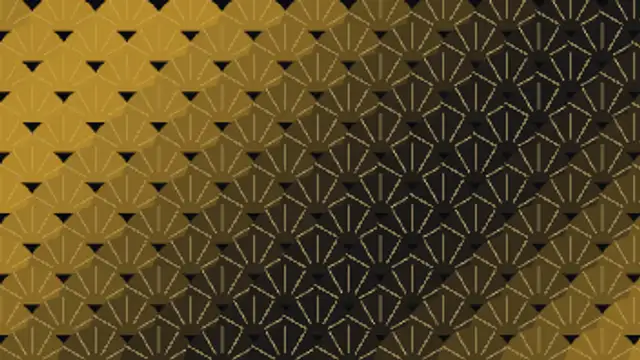
Overlapping shell fans lie in offset courses with rays struck across each one, and a diagonal wave lifts them course by course like a gilded ceiling.
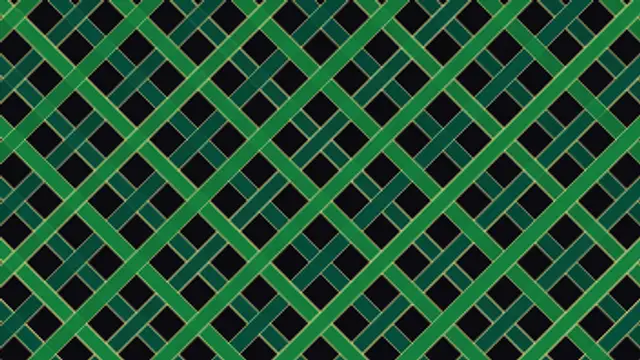
Two families of cord cross the frame on the diagonal, alternating course by course so one set rides over the other the way knotwork is drawn.
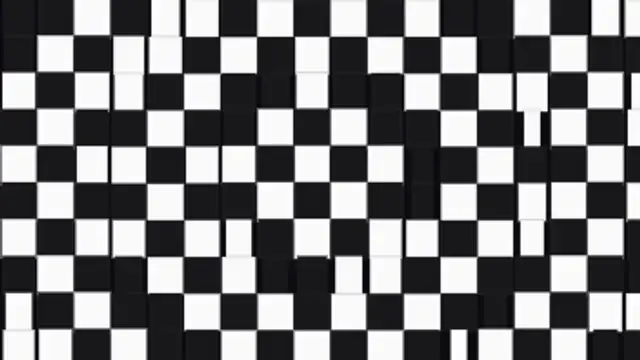
Rings spread from the middle of a checkerboard and every square they reach turns edge-on and comes back the other colour, like a wall of flip-dots.