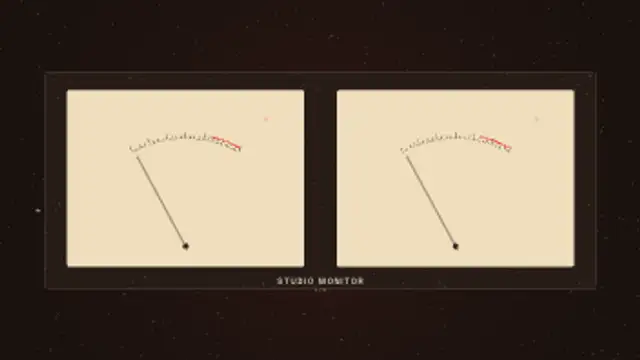
VU Meter
10sCream-faced analog meters swing on real needle ballistics, overshooting each transient and falling back slowly, with the peak lamp catching the loud ones.
Radio Tuning Dial
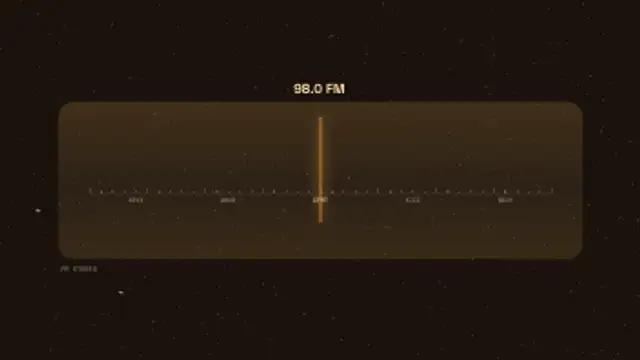
The needle sweeps the lit band and overshoots each station before settling, hiss washing across the glass until the call sign lights and the frequency locks.
Animate an analog radio dial: the needle sweeps the lit band, overshoots and settles as hiss clears and the station locks in.
Part of Film & Retro Textures. New to this kind of graphic? Read How to Add a VHS or Film Look to Digital Footage.
Transparent exports and editor imports are explained in the transparent video guide, and every download is free under the commercial license.
Content: labels and title. Typography: font. Style: background, primary, secondary, accent and text color. Layout: aspect ratio. Motion: duration, intensity, density and variation.
Radio Tuning Dial runs 10 seconds by default, and you can set any length up to 60 seconds before you export. It plays once.
Use Radio Tuning Dial to open a podcast episode, a radio drama or a segment about music discovery, cutting to the show as the station locks. The hunt across the band works as a metaphor for searching through noise to find one voice.
Cream-faced analog meters swing on real needle ballistics, overshooting each transient and falling back slowly, with the peak lamp catching the loud ones.

Organic 16mm grain boils with dust flecks, stray hairs, faint scratches and gentle flicker. A seamless analog overlay.
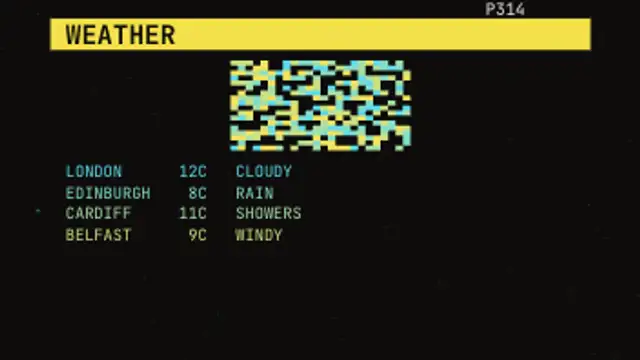
A character-cell teletext page loads in: the number spins up, mosaic block graphics paint on ink by ink and each line types itself across the grid.
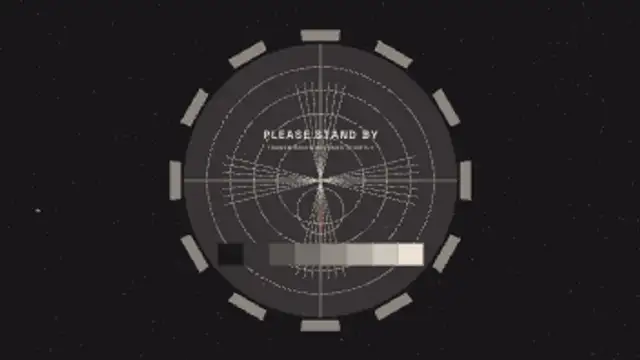
Colour bars wipe across, roll up and settle into a full test card: converging wedges, greyscale staircase, castellated ring and a ticking clock.
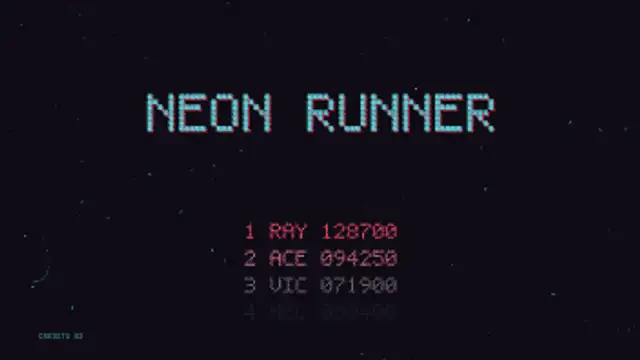
A cabinet left in attract mode: the pixel title drops in with its offset shadow, the high score table counts on line by line and PRESS START blinks over a scrolling starfield.

A mixtape cassette with your handwritten-style label spins its reels while the tape winds from one spool to the other.

The picture loses vertical hold, rolls up through the blanking bar with the frame tearing sideways, then locks onto the next channel.

A glowing phosphor screen squeezes into a bright scan line, shrinks to a dot and leaves a fading afterglow.