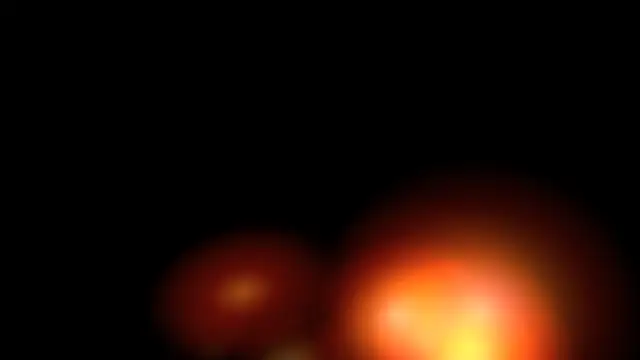
Hot orange light eats in from the frame edge, flares to white at the cut and cools away like burning celluloid.
Film Splice Jump
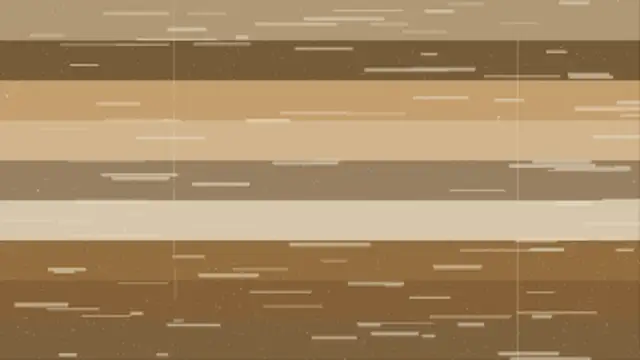
Worn print damage: the picture jumps a few frames out of register, a taped splice runs through the gate and emulsion dropouts flash across the frame.
Add worn print damage: frames jump out of register, taped splices run through the gate and emulsion dropouts flash across the picture.
Part of Film & Retro Textures. New to this kind of graphic? Read How to Add a VHS or Film Look to Digital Footage.
Transparent exports and editor imports are explained in the transparent video guide, and every download is free under the commercial license.
Style: background, primary, secondary and accent. Layout: aspect ratio. Motion: duration, intensity, density and variation.
Film Splice Jump runs 10 seconds by default, and you can set any length up to 30 seconds before you export. It plays once.
Cut Film Splice Jump into a fake archive sequence, a horror title sequence or a skate video as a burst of print damage between shots, as if the reel had run through too many projectors. The sudden register jumps add tension where the edit feels too smooth.
Hot orange light eats in from the frame edge, flares to white at the cut and cools away like burning celluloid.

The classic projection leader: crosshair, rings and a clock wipe sweeping behind each number, with grain and weave.

An iris opens on a flickering intertitle with an Art Deco double border, corner fans and serif text, then irises out.

A cardboard 35mm slide drops out of the gate and the next one falls in and settles, with lamp flare, dust in the beam and gate weave.

A rounded projector gate frames your footage with soft edges, sprocket holes, gate weave, warm exposure flicker and grain.
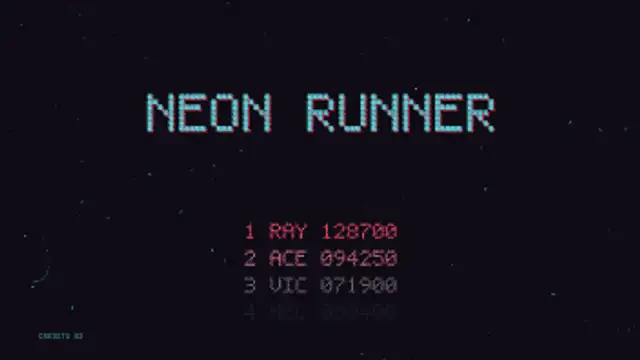
A cabinet left in attract mode: the pixel title drops in with its offset shadow, the high score table counts on line by line and PRESS START blinks over a scrolling starfield.

A mixtape cassette with your handwritten-style label spins its reels while the tape winds from one spool to the other.

The picture loses vertical hold, rolls up through the blanking bar with the frame tearing sideways, then locks onto the next channel.