Hot orange light eats in from the frame edge, flares to white at the cut and cools away like burning celluloid.
Silent Film Title Card
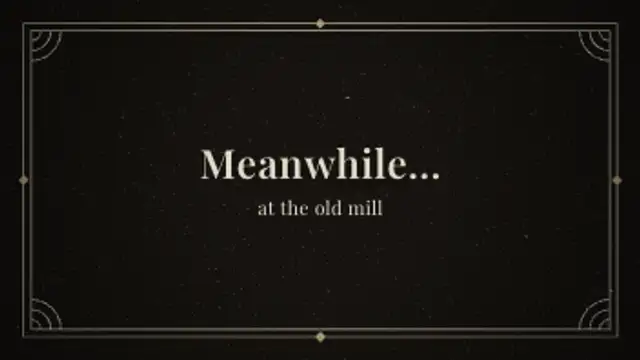
An iris opens on a flickering intertitle with an Art Deco double border, corner fans and serif text, then irises out.
Part of Film & Retro Textures. New to this kind of graphic? Read How to Add a VHS or Film Look to Digital Footage.
An iris opens on a flickering intertitle with an Art Deco double border, corner fans and serif text, then irises out. It belongs to the Film & Retro Textures category on velements, where you edit it in the browser and download it as a finished video file.
Every control in the editor, grouped the same way there. Content: title and subtitle. Typography: font and weight. Style: background, text color, primary, secondary and accent. Layout: aspect ratio. Motion: duration, intensity, density and variation. Each change appears in the live preview straight away, and editing is free.
Silent Film Title Card runs 5 seconds by default, and you can set any length up to 15 seconds before you export. It plays once from start to finish, so it drops straight onto a cut or an opening.
Yes. Set the background to Transparent, then export a PNG sequence for Premiere Pro, After Effects, DaVinci Resolve, Final Cut Pro or Figma: import the first frame as an image sequence and it drops onto a track above your footage with a straight alpha channel. Export WebM with a VP9 alpha channel for the web and for CapCut. MP4 has no alpha channel, so it keeps a solid color or image behind the animation.
Yes. Each download comes with a perpetual commercial license in your name for client work, ads and products, and you may sell the edited clip on stock footage sites. Reselling the preset itself as an editable template is not allowed.
Hot orange light eats in from the frame edge, flares to white at the cut and cools away like burning celluloid.

The classic projection leader: crosshair, rings and a clock wipe sweeping behind each number, with grain and weave.

Worn print damage: the picture jumps a few frames out of register, a taped splice runs through the gate and emulsion dropouts flash across the frame.
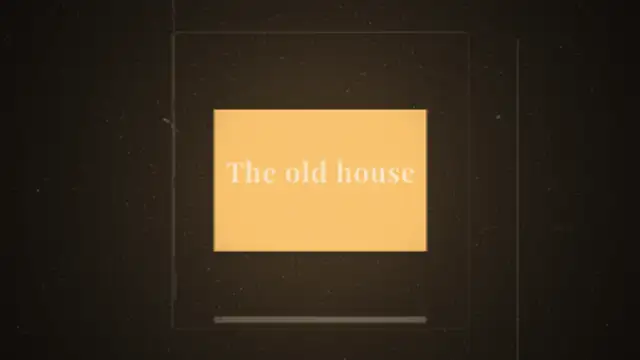
A cardboard 35mm slide drops out of the gate and the next one falls in and settles, with lamp flare, dust in the beam and gate weave.
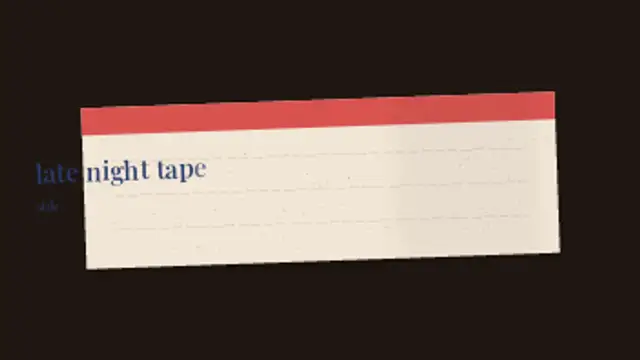
A blank cassette label sits under the lens while the title is written on by hand, each letter set down slightly off the line with the ink bleeding into the paper.
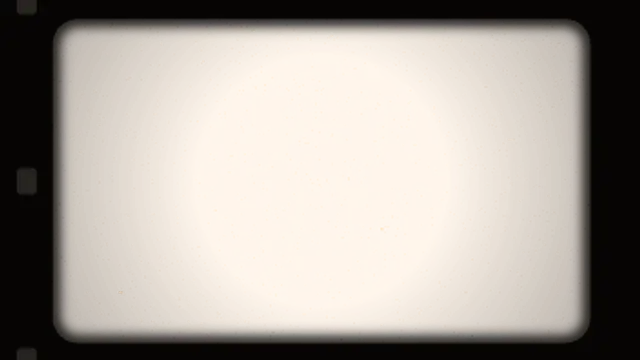
A rounded projector gate frames your footage with soft edges, sprocket holes, gate weave, warm exposure flicker and grain.
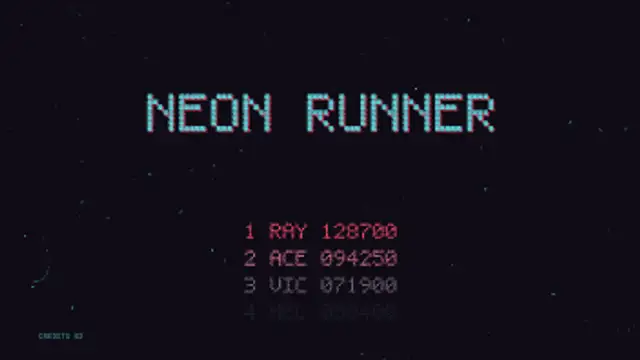
A cabinet left in attract mode: the pixel title drops in with its offset shadow, the high score table counts on line by line and PRESS START blinks over a scrolling starfield.
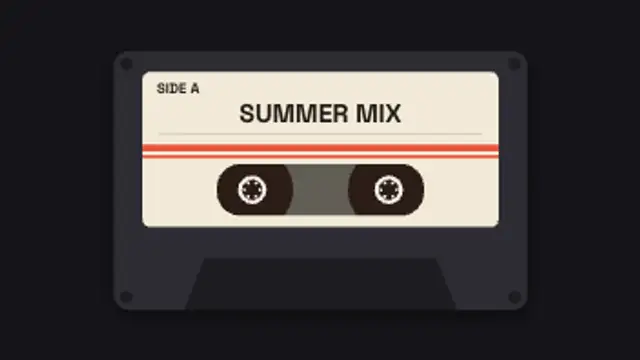
A mixtape cassette with your handwritten-style label spins its reels while the tape winds from one spool to the other.