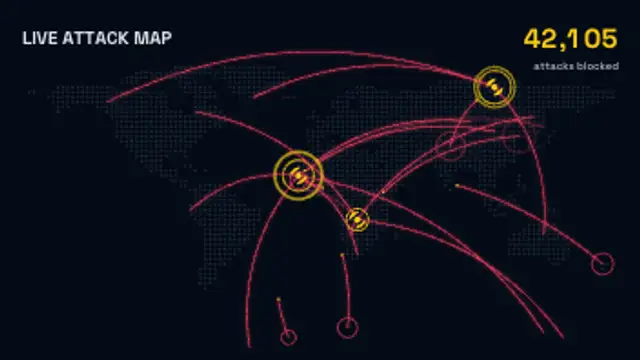
Attack arcs fly across a dotted world map into spinning target markers while the blocked attack count climbs, on a continuous loop.
Ransomware Lockdown
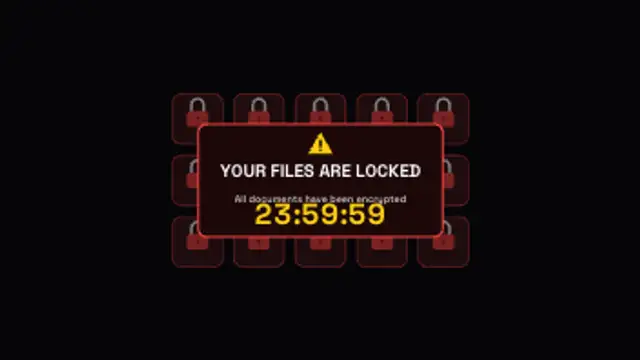
File tiles flip one by one into red padlocks, then a ransom panel takes over the screen with a warning and a ticking countdown.
Part of Cybersecurity. New to this kind of graphic? Read How to Make a Cybersecurity Animation for a Video.
File tiles flip one by one into red padlocks, then a ransom panel takes over the screen with a warning and a ticking countdown. It belongs to the Cybersecurity category on velements, where you edit it in the browser and download it as a finished video file.
Every control in the editor, grouped the same way there. Content: title and subtitle. Typography: font. Style: background, text color, primary, secondary, accent and thickness. Layout: aspect ratio and scale. Motion: duration, speed and variation. Each change appears in the live preview straight away, and editing is free.
Ransomware Lockdown runs 7.5 seconds by default, and you can set any length up to 60 seconds before you export. It plays once from start to finish, so it drops straight onto a cut or an opening.
Yes. Set the background to Transparent, then export a PNG sequence for Premiere Pro, After Effects, DaVinci Resolve, Final Cut Pro or Figma: import the first frame as an image sequence and it drops onto a track above your footage with a straight alpha channel. Export WebM with a VP9 alpha channel for the web and for CapCut. MP4 has no alpha channel, so it keeps a solid color or image behind the animation.
Yes. Each download comes with a perpetual commercial license in your name for client work, ads and products, and you may sell the edited clip on stock footage sites. Reselling the preset itself as an editable template is not allowed.
Attack arcs fly across a dotted world map into spinning target markers while the blocked attack count climbs, on a continuous loop.
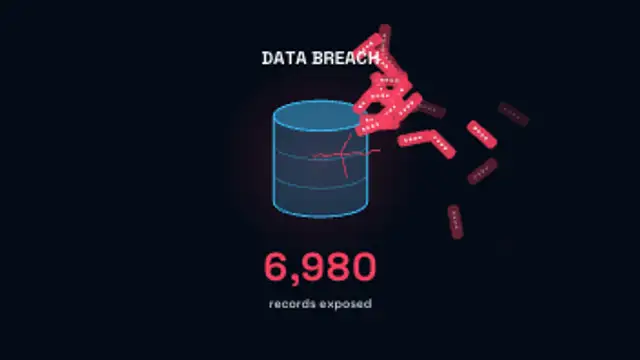
A database cracks open and masked records spill out in an arc while the exposed record count climbs under a red warning glow.
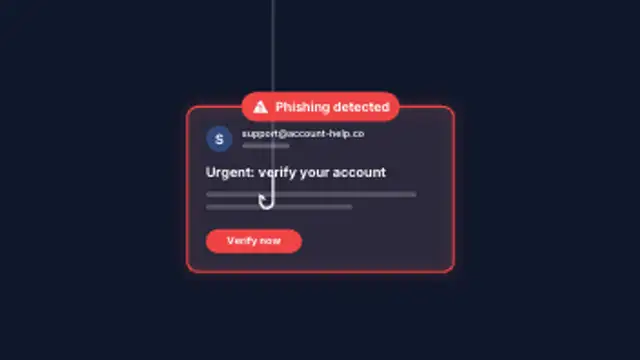
A suspicious email slides in, a fishing hook drops onto its link button and tugs it, then a phishing warning banner flags the message.
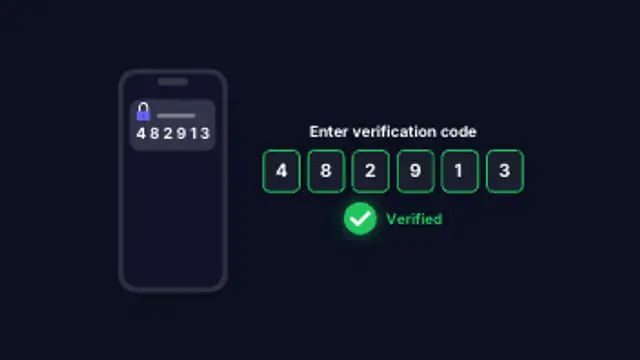
A phone buzzes with a one-time code, the digits type into verification boxes one by one, then the login is confirmed with a check.
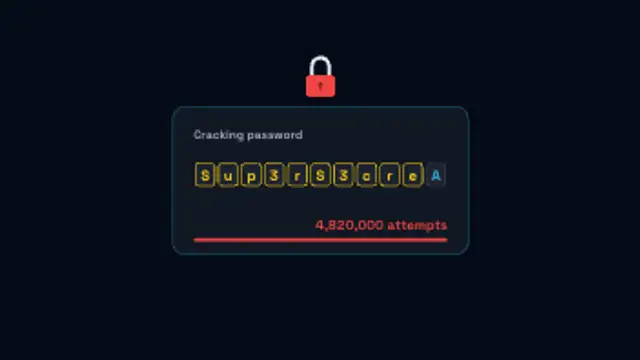
Password slots cycle through characters and lock in one by one while the attempt counter races, then the padlock springs open.
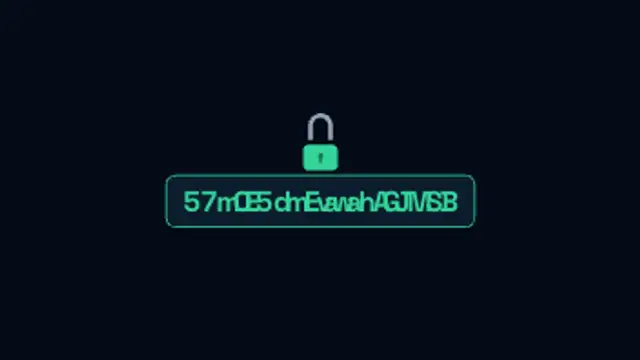
Plain text scrambles through random cipher glyphs into encrypted ciphertext before a padlock drops in and seals the message.
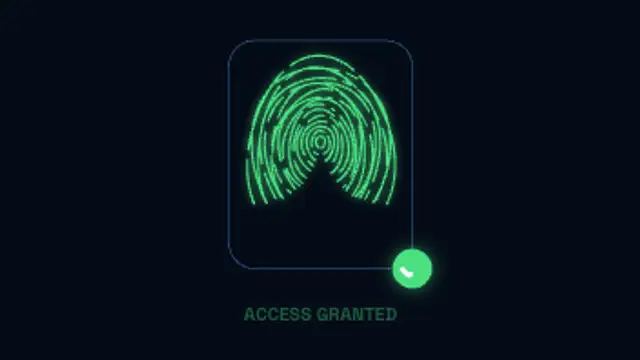
Generated fingerprint ridges draw in, a scan beam sweeps down lighting them up, then a check badge and access granted label appear.
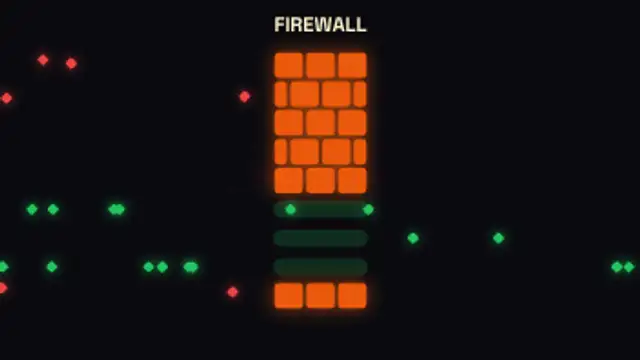
Data packets stream toward a brick firewall: safe packets slip through open gates while threats burst apart at the wall.