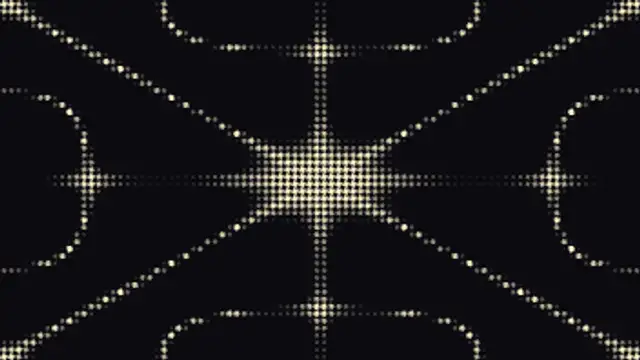
Sand settles along the still lines of a vibrating plate, and as the driving mode swings through zero the whole nodal figure inverts and reforms.
Wave Interference

Several ripple sources push against each other and the bright bands fall where their crests agree, sliding as the sources beat in and out of phase.
Part of Curve & Field Backgrounds. New to this kind of graphic? Read How to Animate Spirograph and Math Curve Backgrounds.
Several ripple sources push against each other and the bright bands fall where their crests agree, sliding as the sources beat in and out of phase. It belongs to the Curve & Field Backgrounds category on velements, where you edit it in the browser and download it as a finished video file.
Every control in the editor, grouped the same way there. Style: background, primary, secondary and accent. Layout: aspect ratio and count. Motion: duration, density, variation and speed. Each change appears in the live preview straight away, and editing is free.
Wave Interference runs 10 seconds by default, and you can set any length up to 60 seconds before you export. It loops seamlessly, so you can repeat it on your timeline for as long as the shot needs.
Yes. Set the background to Transparent, then export a PNG sequence for Premiere Pro, After Effects, DaVinci Resolve, Final Cut Pro or Figma: import the first frame as an image sequence and it drops onto a track above your footage with a straight alpha channel. Export WebM with a VP9 alpha channel for the web and for CapCut. MP4 has no alpha channel, so it keeps a solid color or image behind the animation.
Yes. Each download comes with a perpetual commercial license in your name for client work, ads and products, and you may sell the edited clip on stock footage sites. Reselling the preset itself as an editable template is not allowed.
Sand settles along the still lines of a vibrating plate, and as the driving mode swings through zero the whole nodal figure inverts and reforms.
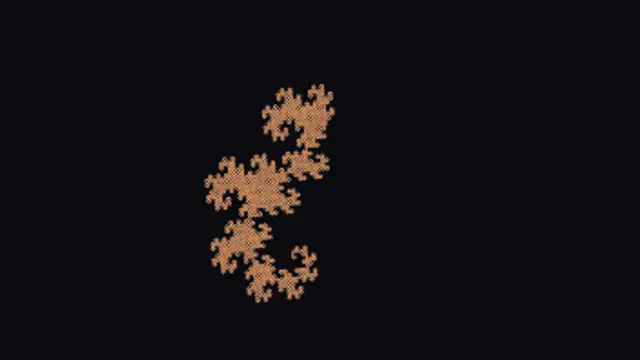
One strip folded in half over and over, never crossing itself, tiling the plane into a shape that looks designed but is only folding.
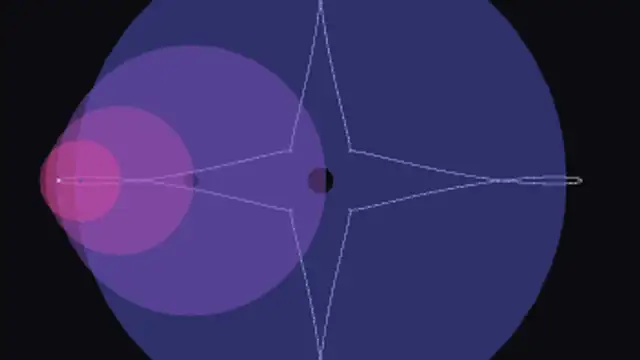
A chain of circles each turn on the rim of the one before, and the pen at the end of the chain traces the closed figure their speeds add up to.
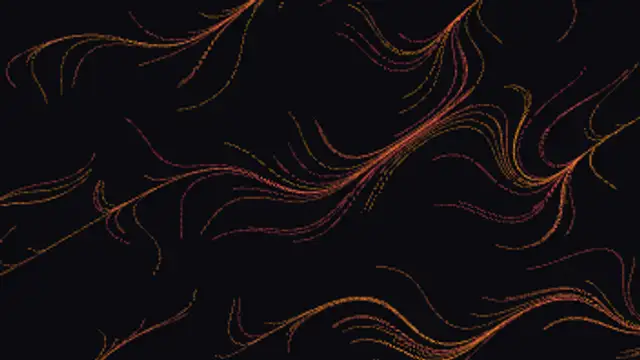
Every point in the frame is given a direction by a drifting noise field, and hundreds of short streamlines follow whatever direction they land on.
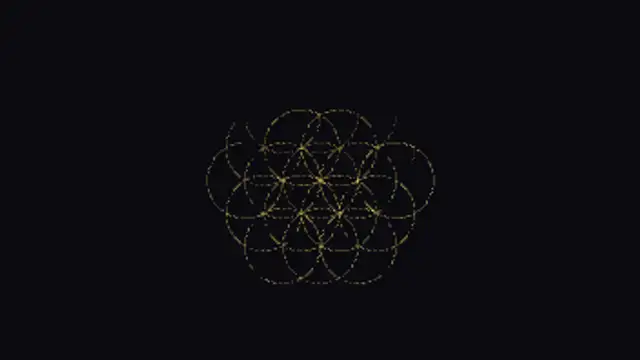
Equal circles laid on a hexagonal grid overlap into the old six-fold rosette, revealed one ring at a time from the centre out.
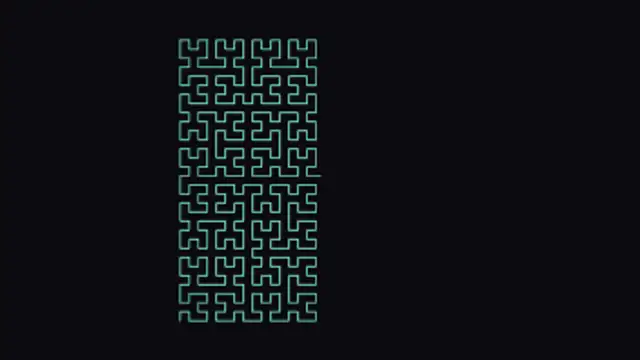
A single unbroken line finds its way through every cell of the grid exactly once, and you watch it fill the square as it goes.

Every edge sprouts a smaller spike on every pass, and the outline draws itself around until the snowflake closes on its own start.
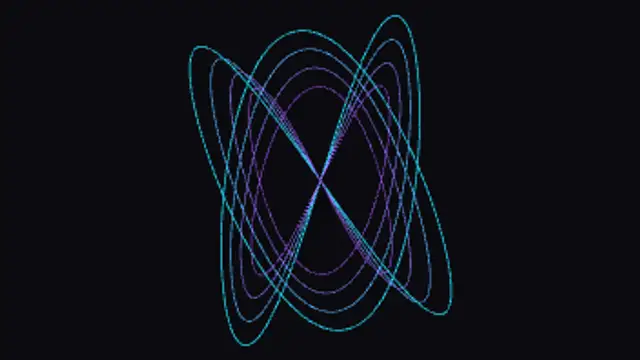
Two perpendicular oscillations at whole-number frequencies weave a closed ribbon, and the phase between them drifts so the knot keeps retying itself.