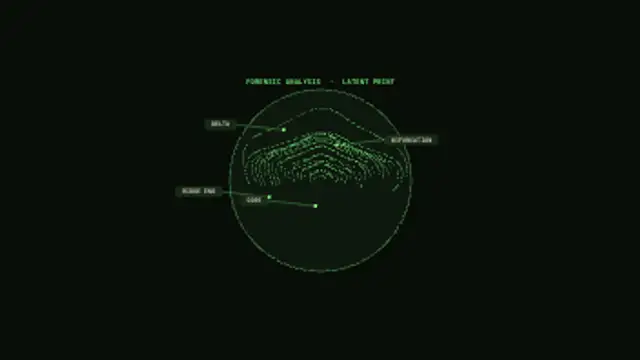
A forensic fingerprint materialises ridge by ridge from the centre out, a scanning line sweeps across, and minutiae markers pin to key points with labeled tags.
Surveillance Photo Stack
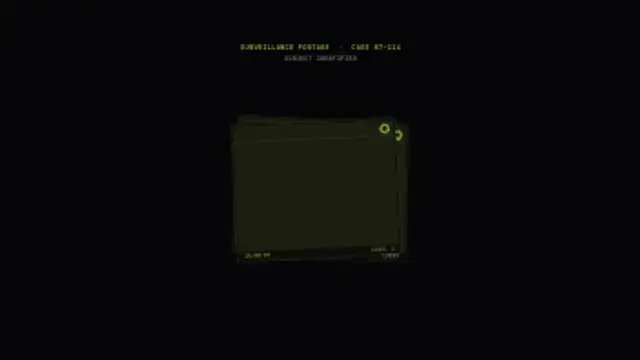
Surveillance photos slam down in a staggered stack with timestamps, location labels, and a fake-film grid texture, like photos dropped on a detective's desk.
Surveillance photos slam down in a staggered stack with timestamps, location labels, and a fake-film grid texture. Add your own labels and export.
Part of Documentary & Investigation. New to this kind of graphic? Read How to Make an Evidence Board for a True Crime Video.
Transparent exports and editor imports are explained in the transparent video guide, and every download is free under the commercial license.
Content: title, subtitle, eyebrow and labels. Typography: label font and weight. Style: background, text color, primary, secondary and accent. Layout: aspect ratio. Motion: duration, easing and variation.
Surveillance Photo Stack runs 7 seconds by default, and you can set any length up to 30 seconds before you export. It plays once.
Surveillance Photo Stack sells the idea that someone was being watched: a stakeout sequence, a corporate espionage story, a reconstruction of a subject's afternoon. The staggered slams suggest a detective tossing prints on a desk while explaining the timeline.
A forensic fingerprint materialises ridge by ridge from the centre out, a scanning line sweeps across, and minutiae markers pin to key points with labeled tags.
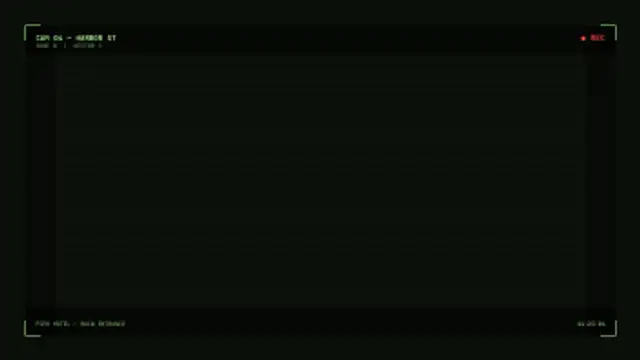
A closed-circuit surveillance frame with scanlines, corner brackets, blinking REC indicator, camera ID, timestamp and location.
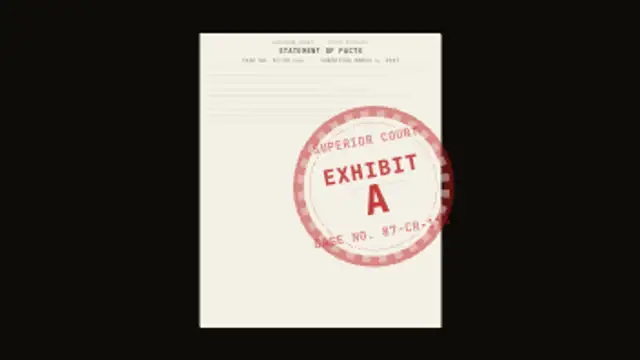
A document slides in and text fills its lines, then a large circular court exhibit stamp slams onto it with a dramatic rotation and back-bounce.
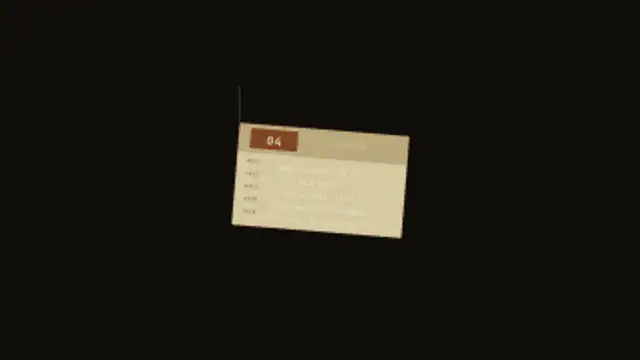
A police evidence tag slams in on a string with an item number, description, case, date and officer fields filling one by one.
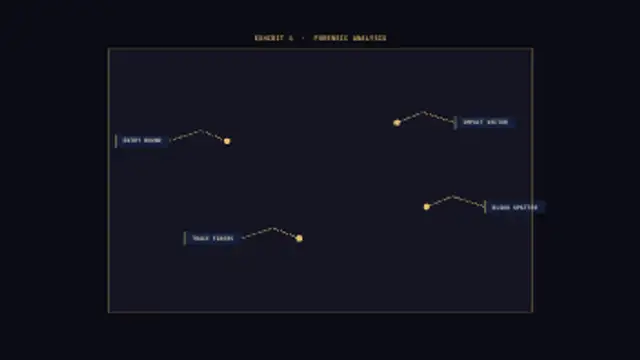
A forensic evidence photo placeholder fills in on a grid, then analytical callout lines draw out from marked points to labeled boxes one by one.
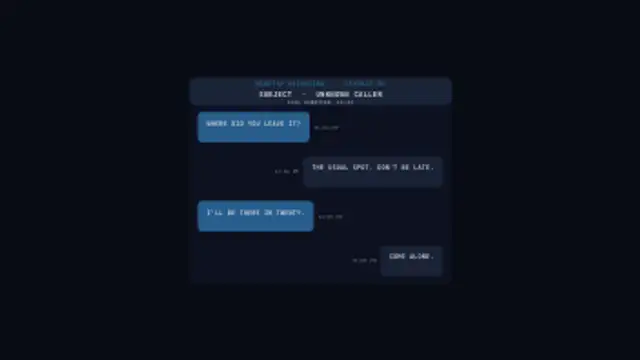
A phone call transcript panel appears with caller metadata, then speech bubbles slide in line by line alternating between two speakers with timestamps.
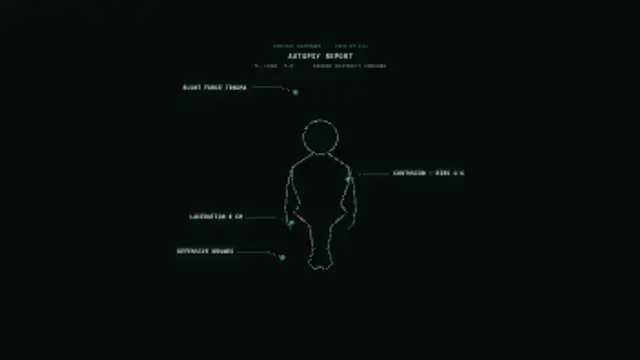
A medical examiner's body outline draws from head to toe, then annotation lines extend to labeled callout boxes marking injuries one by one.
A police body-camera HUD with a blinking REC indicator, unit ID, battery cells, timestamp counter, waveform bars and GPS coordinates.